Termite Control in Fowler, CA
A century of wood on Fowler’s small grid
Fowler packs most of the county’s housing history into a couple of square miles. Termite control in Fowler has to cover all of it. The blocks around Merced Street go back to the town’s raisin-boom days. One lot often holds a century-old farmhouse, a detached garage built decades later, and a shed of no known age. Each one is its own termite habitat. The old houses ride on raised foundations with crawl spaces. The garages and sheds often sit on bare ground, or on a thin slab poured long after the walls went up. Their framing sits inches from soil. That is why so much of Fowler’s termite evidence shows up in the outbuildings first. Frass on a garage floor is a common find. Frass is the sawdust-looking pellets drywood termites push out of the wood. So is a sill plate gone spongy where the shed meets dirt.
The other Fowler is newer. Subdivisions filled in on former vineyard land, with slab-on-grade stucco homes from the 90s onward. Those homes carry the standard Valley risk. Subterranean colonies enter through slab cracks and plumbing lines under watered yards. Vineyard-adjacent lots add something extra. This ground grew woody crops under irrigation for generations before the houses arrived. Old roots and buried vine stumps keep soil colonies fed while they wait for something better. A new lawn watered every day hands them the moisture on top.
Subterranean termites dominate on both sides of town. Drywood colonies stick to the oldest, driest wood. That means the original attics and garages, plus the stored lumber and furniture that move between them. For a homeowner, the practical move is the same either way. Get every structure on the lot inspected, not just the one with the kitchen. Then get the findings in writing before anyone names a method.
What Fowler lots usually need
The mix runs both directions. Soil treatments and bait stations serve the subdivision homes and the old raised foundations alike. Drywood work comes up when a garage or attic turns up pellets, and sometimes that means a compartment heat job. An old detached garage takes a spot treatment well while the colony is small. Wait a few seasons and the job gets bigger and costlier. The full treatment lineup applies in Fowler exactly as it does in Fresno. Small towns don’t get a smaller toolbox.
Repair needs follow the age of the wood. In the old core, that means fascia boards, porch framing, and subfloors that have soaked up moisture since before the war. Older homes changing hands bring steady escrow work too. A century of undocumented repairs makes the WDO report real reading. Ordering that report early keeps a small-town sale from stalling while everyone waits on paperwork.
Coverage is about as simple as it gets. Fowler sits ten miles down Highway 99 from the Fresno base, about a fifteen-minute drive. That puts it closer than much of Fresno itself. The homeowner inspection is free here, like everywhere in the service area.
Our Services
-
Termite Inspections
A trained inspector checks the attic, crawl space, eaves, and foundation, then tells you plainly what's there.
Learn more
-
Termite Treatment
Spot treatments, soil treatments, and whole-structure options, recommended based on what the inspection actually finds.
Learn more
-
Whole-House Fumigation
Tent fumigation reaches drywood termites everywhere in the structure. It's the thorough fix for widespread infestations.
Learn more
-
No-Tent Drywood Treatment
Targeted drywood treatment without the tent. When the infestation is accessible, you stay in your home while we work.
Learn more
-
Subterranean Termite Treatment
Soil-dwelling colonies stopped at the ground they come from, with liquid barrier and baiting treatments.
Learn more
-
Heat Treatment
Whole-structure or single-room heat that kills drywood termites without fumigant chemicals or an overnight stay elsewhere.
Learn more
Areas We Serve
- Fresno
- Clovis
- Sanger
- Fowler
- Kerman
- Madera
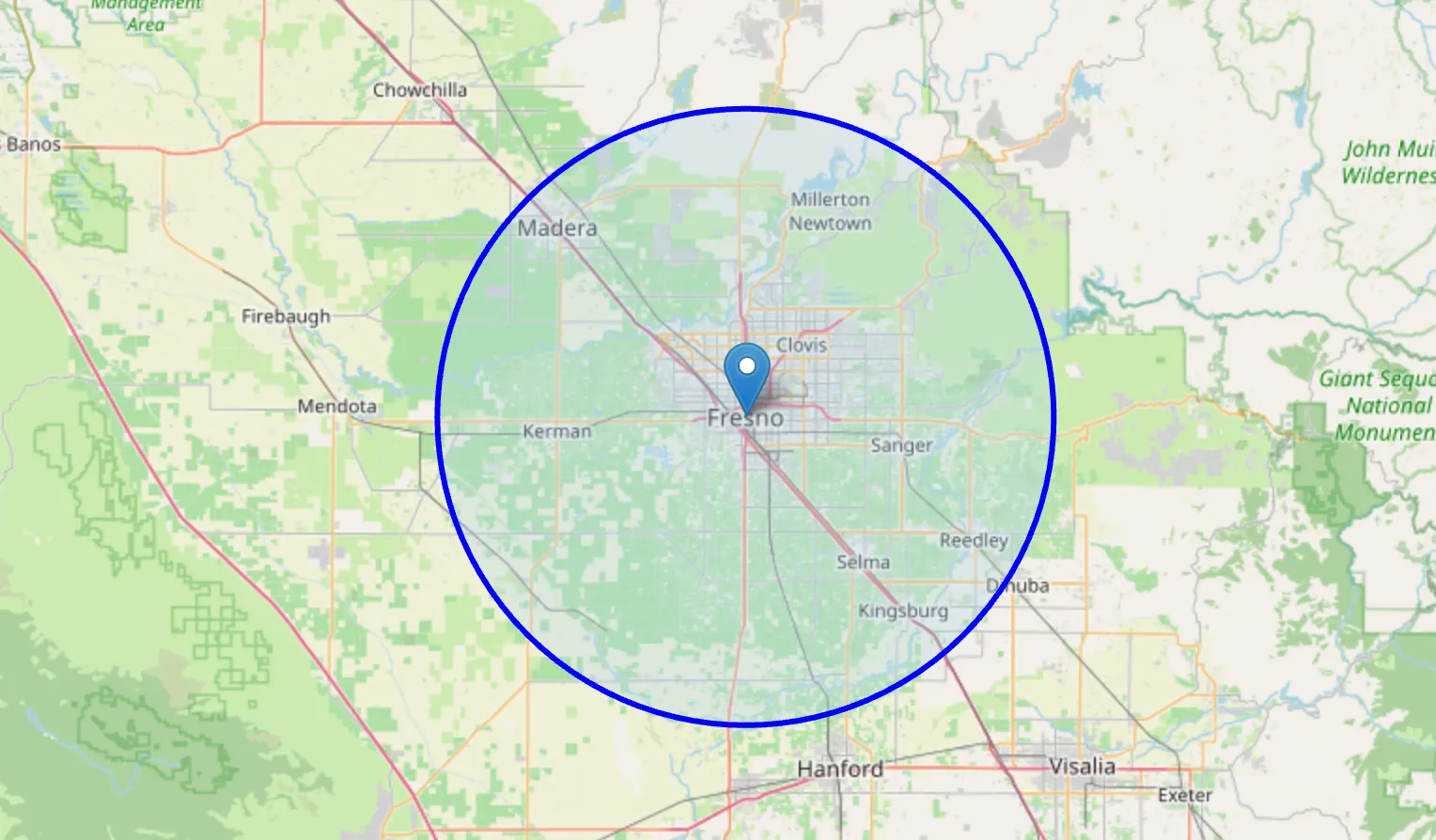
Find local details for each community on our service-area pages.
Frequently Asked Questions
Is a small town like Fowler actually covered?
Yes, and it is one of the shortest drives on the map. Fowler sits right on Highway 99, about ten miles south of Fresno. That works out to roughly fifteen minutes from a Fresno home base, which is closer than many addresses inside Fresno itself.
The old detached garage has pellets on the floor. Is the house next?
Not automatically, but treat it as a warning shot. Pellets, called frass, are the sawdust-looking droppings drywood termites push out of infested wood. A drywood colony can't march to the house the way soil termites can. Its winged swarmers can fly there, though, and the house is the nearest landing zone. Treating the garage while the problem lives only there is the cheaper version of this story.
I found little piles of wings inside my Fowler house in the fall. What does that mean?
Wings mean a swarm happened, and wings indoors are a strong sign the colony is in or under the house. Subterranean termites around Fowler tend to fly on warm days after the first fall rains. Save a few wings for the inspector and note which room they turned up in.