Termite Control in Kerman, CA
Wet ground and working wood around Kerman
Kerman sits fifteen miles west of Fresno on Highway 180. Vineyards, almond orchards, and dairy ground surround it on every side, and that geography drives termite control in Kerman. The westside plain is sandier than the hardpan country east of 99. People assume sandy means dry, and dry means safe. It doesn’t hold. This land has been flooded and canal-irrigated for over a century. The town’s own yards run sprinklers all summer. Subterranean termites need two things, moist soil and wood to eat, and Kerman supplies both. The farm belt feeds colonies with vineyard stakes, fence lines, and old outbuildings. So colonies stay established in the ground between the structures people actually care about.
In town, the housing runs modest and mixed. Postwar bungalows and ranch houses sit near the original grid. Manufactured homes and small ranch properties spread along the rural fringes. Newer slab subdivisions went up as Kerman picked up Fresno commuters. The older stock rides on raised foundations, and decades of add-ons complicate it. Enclosed porches, garage conversions, and patio covers put untreated wood near soil in ways no original builder planned. A drip line run tight against a stem wall does quiet damage too. The soil there never gets a chance to dry out. The newer slabs fail the usual way, through plumbing openings under heavily watered yards. Drywood termites are the junior partner out here. Kerman has less century-old attic wood than the east-side towns. The dominant call, by a wide margin, is soil termites found late in the game.
That is the case for a free termite inspection. On a Kerman parcel, it reads the irrigation, the add-ons, and the fence lines together. Then it puts in writing which of them is feeding the problem.
Treatment work on the westside
Soil treatment is the workhorse west of Fresno. Liquid barriers go around homes with active mud tubes. Bait stations fit rural lots that want a standing watch, since the next colony is always a fence line away. Add-on structures change the job too. A treatment plan has to account for what a porch enclosure or a converted garage did to the original foundation line. That detail is what separates a real inspection from a drive-by quote.
Sandy ground changes the technique a little. Trenching goes easier, but termiticide moves differently in fast-draining soil, and the application has to respect that. Termiticide is the liquid product used to treat the soil, and it spreads through sand faster than through clay. An applicator who knows westside ground plans for the difference. Manufactured homes get their own inspection logic. Skirting and pier sets create crawl spaces with habits of their own. Escrow inspections come through as the newer subdivisions turn over and first-time buyers order reports.
On coverage, the run from Fresno out Highway 180 or Shaw takes about twenty-five minutes. Rural addresses around Kerman add little to that. The homeowner inspection stays free at this end of the map too.
Our Services
-
Termite Inspections
A trained inspector checks the attic, crawl space, eaves, and foundation, then tells you plainly what's there.
Learn more
-
Termite Treatment
Spot treatments, soil treatments, and whole-structure options, recommended based on what the inspection actually finds.
Learn more
-
Whole-House Fumigation
Tent fumigation reaches drywood termites everywhere in the structure. It's the thorough fix for widespread infestations.
Learn more
-
No-Tent Drywood Treatment
Targeted drywood treatment without the tent. When the infestation is accessible, you stay in your home while we work.
Learn more
-
Subterranean Termite Treatment
Soil-dwelling colonies stopped at the ground they come from, with liquid barrier and baiting treatments.
Learn more
-
Heat Treatment
Whole-structure or single-room heat that kills drywood termites without fumigant chemicals or an overnight stay elsewhere.
Learn more
Areas We Serve
- Fresno
- Clovis
- Sanger
- Fowler
- Kerman
- Madera
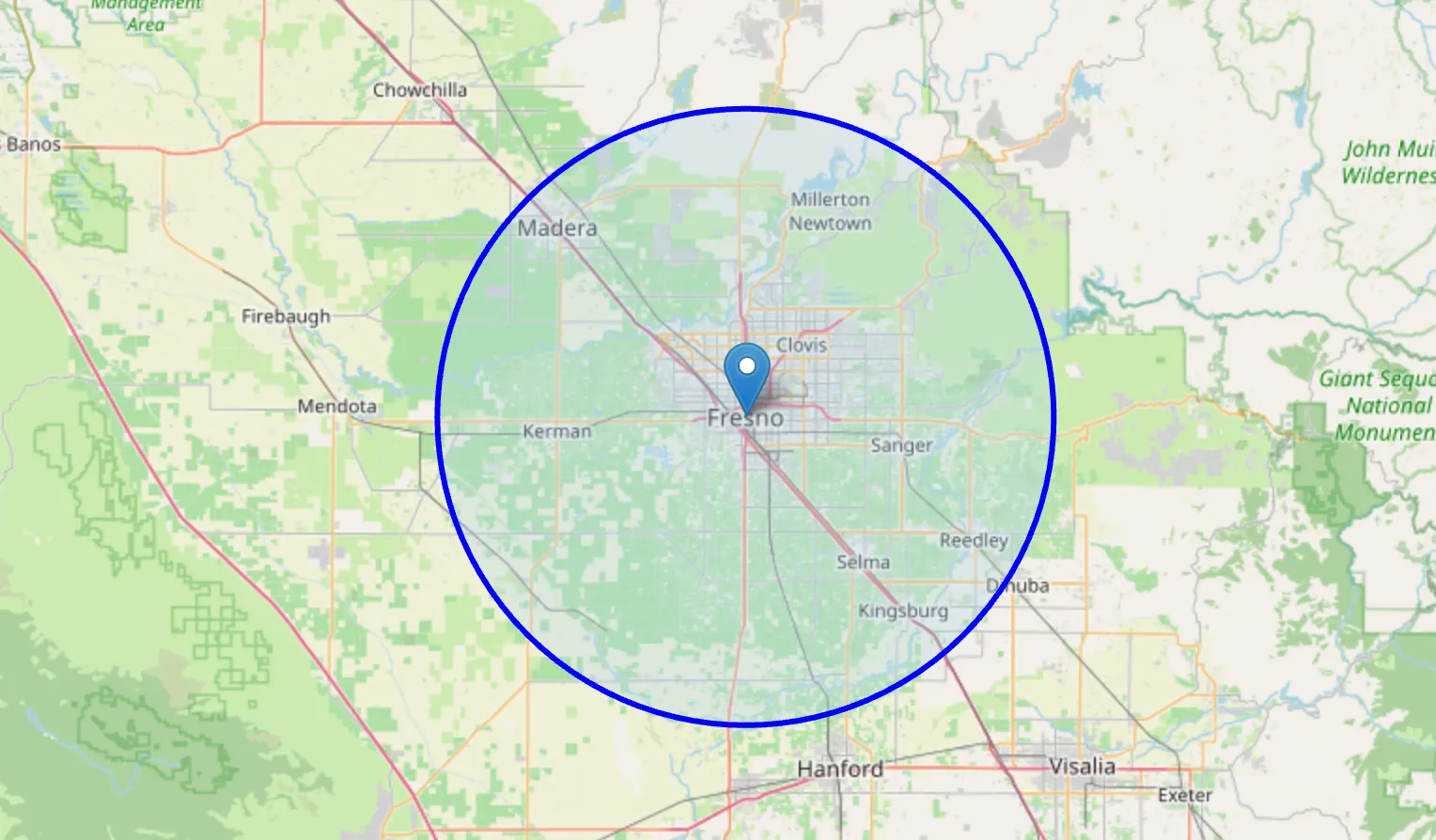
Find local details for each community on our service-area pages.
Frequently Asked Questions
Kerman's soil is sandy. Doesn't that keep termites away?
No. Sandy soil drains faster, but drainage only matters if the water stops coming, and around Kerman it never does. Canals, watered yards, and farmland on every side keep the ground moist enough for soil termites all year. Sandier ground can even make tunneling easier. Treat the soil type as a detail, not a defense.
Can fence posts and vineyard stakes bring termites to the house?
They keep colonies fed and settled nearby, which is the real risk. Wooden posts in irrigated ground are a classic foothold for subterranean termites. A colony working a fence line fifty feet out can find the house eventually. That is why rural inspections walk the whole parcel, not just the foundation.
Does a manufactured home in Kerman need a different kind of inspection?
The checklist changes, but the need doesn't. Manufactured homes sit on piers with skirting around the base, which creates a crawl space where mud tubes can climb unseen. Wood steps, decks, and skirting that touch soil are the usual entry points. A good inspection out here spends real time under the home.