Drywood vs. Subterranean Termites
One name, two very different pests
“I have termites” is only half an answer. Fresno houses get two different insects under that name. Drywood and subterranean termites live in different places. They leave different clues. And they die from different treatments. Drywood treatment happens in the wood itself. Subterranean treatment happens at the soil. Neither method touches the other species at all. Buy the wrong one and the colony keeps eating while the receipt ages.
That mix-up happens more than it should. Tent jobs get sold for mud-tube problems. Soil treatments get pitched at drywood infestations. Sometimes it’s an honest mistake. Sometimes it’s whatever the seller had on the truck. Either way it costs real money, and the termites are still there after the work is done. The defense is simple. Learn the evidence, which is clear most of the time. Then ask any bid to explain itself against what was actually found in your house. This guide covers the two species in depth. If you’re starting from “I found something weird,” the wider signs guide walks the full checklist first.
The identification table
Where the colony lives
- Drywood termites
- Inside the wood itself
- Subterranean termites
- In the soil under the yard
Signature evidence
- Drywood termites
- Frass pellets under tiny holes
- Subterranean termites
- Mud tubes on foundations and piers
Swarm timing here
- Drywood termites
- Hot, still late-summer afternoons
- Subterranean termites
- After the first fall rains
How they're treated
- Drywood termites
- In the wood: spot, heat, or tent
- Subterranean termites
- At the soil: barrier or bait
| What to compare | Drywood termites | Subterranean termites |
|---|---|---|
| Where the colony lives | Inside the wood itself | In the soil under the yard |
| Signature evidence | Frass pellets under tiny holes | Mud tubes on foundations and piers |
| Swarm timing here | Hot, still late-summer afternoons | After the first fall rains |
| How they're treated | In the wood: spot, heat, or tent | At the soil: barrier or bait |
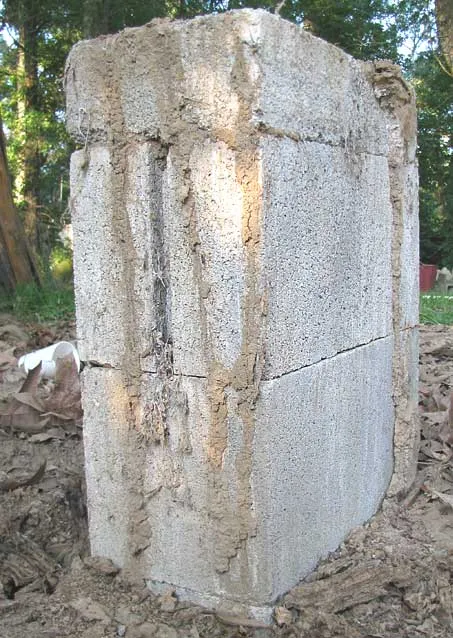
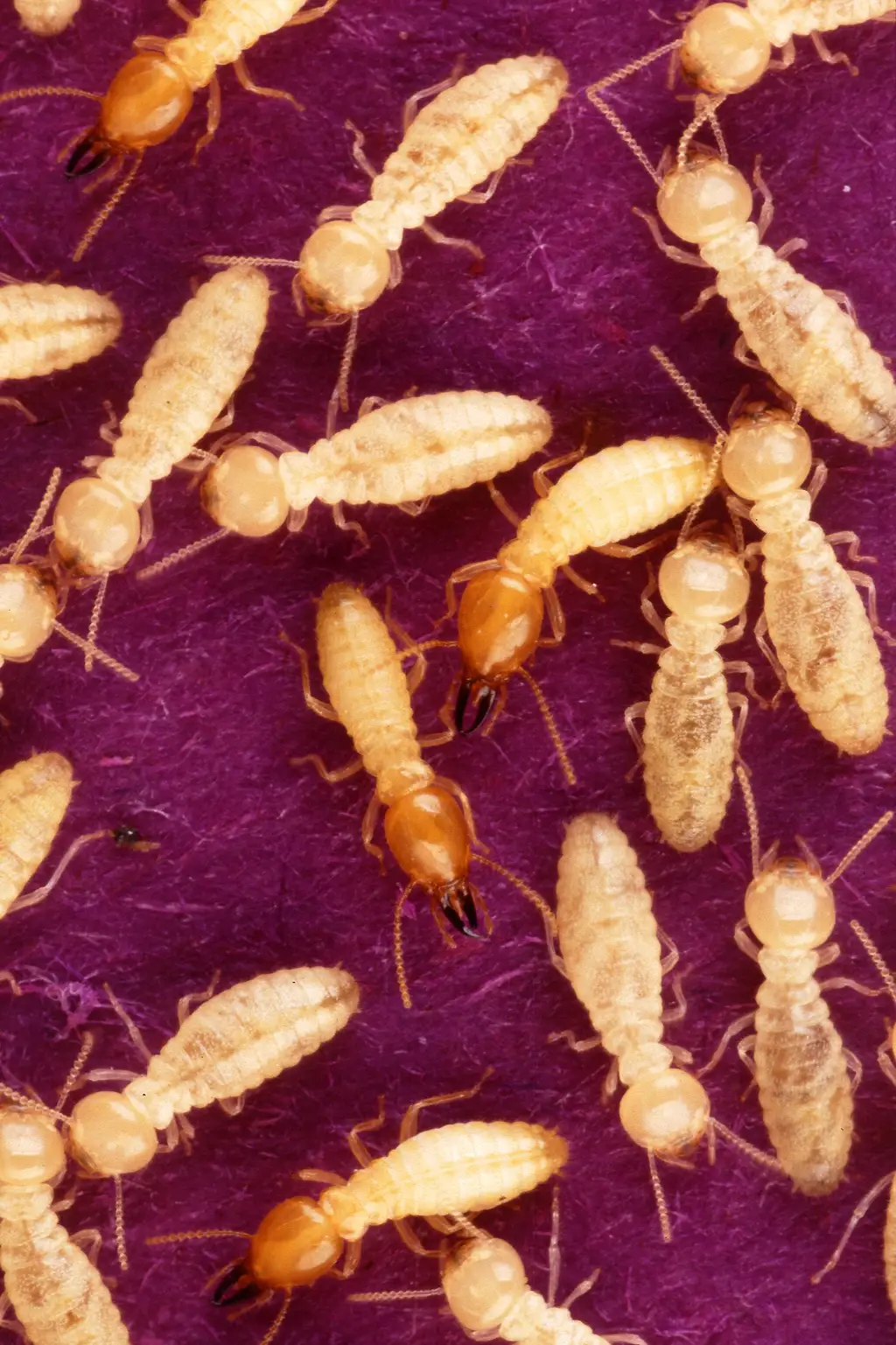
Drywood termites: the colony inside the board
A drywood colony needs no soil and no water source. It never touches the ground. The whole colony lives inside the piece of wood it’s eating. That means the king, the queen, and a few thousand workers, all sealed in one board. They pull the water they need from the wood itself. That’s why drywood termites turn up in attic rafters, fascia boards, window frames, and garage framing. They even live in furniture. One infested antique can start a problem in a house that never had one.
Since the colony is sealed inside, the evidence is whatever escapes. Drywood termites keep their tunnels clean by pushing droppings out through pinholes called kick-out holes. Those droppings are frass. The pellets are hard, dry, and six-sided, like coarse ground pepper. Find a fresh pile and there’s an active colony within a few feet of it. The upside is pace. A drywood colony holds thousands of members, not hundreds of thousands. Damage builds slowly, board by board. Read the evidence early and you have time to act. No-tent local treatment can handle small, contained cases. Infestations spread across the house push toward whole-structure methods. That choice gets its own guide.
Still not sure which you have? The free inspection answers it with evidence.
Subterranean termites: the colony under the yard
The western subterranean termite is Fresno’s main termite by a wide margin. It works the opposite way from drywood. The colony lives in the soil, where the moisture is. It can hold hundreds of thousands of workers. Those workers tunnel through the ground to reach wood. When they have to cross open air, they build mud tubes. These are covered dirt tunnels that give them away. Look for them running up stem walls, piers, and around pipes. Break one open. Live workers inside mean an active colony is commuting through it.
Moisture is their one big need, and Fresno hands it to them. Summer here should bake the ground dry. Instead, lawns and drip lines keep the soil damp right against foundations. That’s why subterranean pressure stays steady all year instead of coming and going. They’re also the bigger structural threat. A large soil colony feeding on sill plates and floor framing eats far more wood per year than a drywood colony sealed in one board.
Swarm timing splits the species too. Subterranean swarmers fly on warm days after the first soaking fall rains. Some fly again in spring. Drywood swarmers pick hot, still afternoons in late summer. Either way, treatment goes where the colony lives. For this species, that means at the soil, not in the wood alone.
Keep reading
-
The 7 signs of termites
The full evidence checklist, sign by sign, with what each one means.
Read more -
Tenting vs. no-tent treatment
The decision guide for drywood jobs, argued honestly in both directions.
Read more -
Swarm season in Fresno
When each species flies, and the weather that sets them off.
Read more